
Are you a gift knitter? Were getting down to the wire on deadlines, but a worsted weight hat is still a perfectly achievable gift! I’m repeating a post from 2020 to help you out.
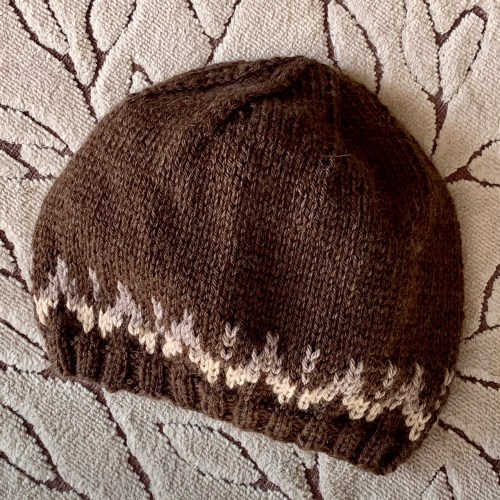
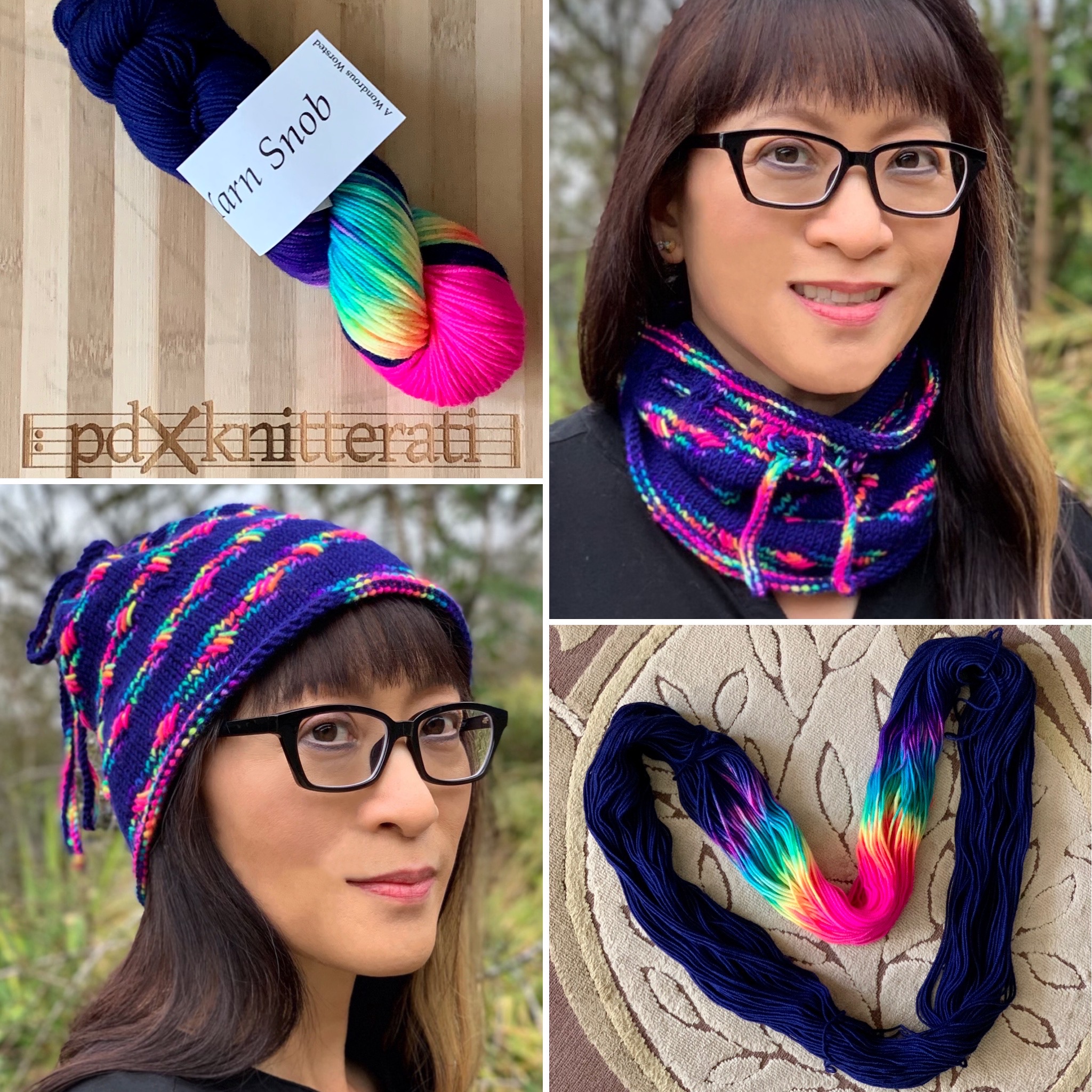
What’s this? It looks like a hat, and it is. But more importantly, it was a gauge swatch. It was a double dip!
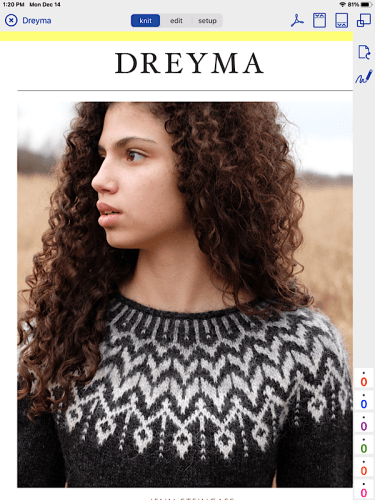
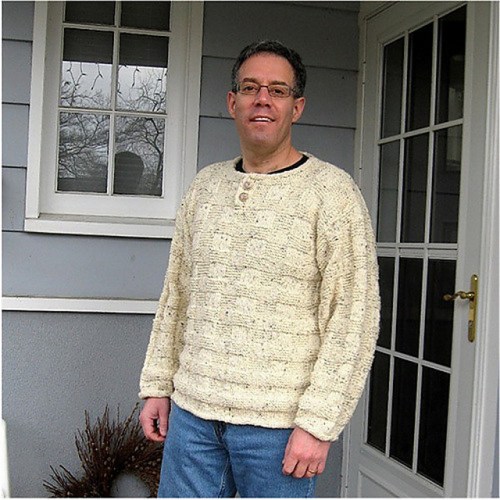
I knit a yoked sweater for DH in 2021. But first I knit a hat, to check my gauge. The sweater was Dreyma by Jennifer Steingass.

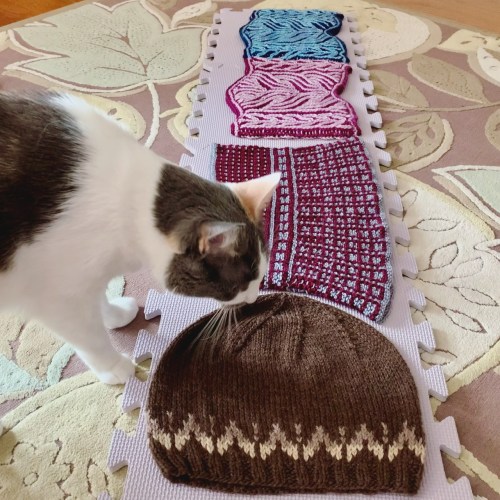
Of course, a gauge swatch for a sweater should be washed and blocked. Treat your swatch the way you plan to treat your FO! Bisquee helped with the blocking train.
Hats are pretty simple. Here’s a recipe. Measure your head. You want your hat to measure 1-2“ less than that. Negative ease keeps your hat from sliding over your eyes. Take your estimated gauge (I’m relying on the ballband guess of 5 sts/inch on a US 7. Multiply that by the number of inches you want (20” in this case). That gave me a cast on of 100 sts. I wanted to add the colorwork pattern from Dreyma, which has a repeat of 8 sts, so I cast on 104 instead of 100 (13 x 8 = 104). That would make the hat between 20 and 21”, which is fine. I could have used 96 instead, which would make the hat 19.5”. Same same. I used a 16” circular needle.
(I can’t include the colorwork pattern; it belongs to Jennifer Steingass. But you can use whatever colorwork pattern you wish, or make a plain hat.)
I like a K2P2 ribbing on the edge, which means my cast on should be a multiple of 4. 96, 100, and 104 are all fine for that. Use a needle 2 sizes smaller than the needle for the body of the hat (US 5 in this case). Knit K2P2 ribbing to desired height. Change to larger needles and knit stockinette until piece measures 5.5” from the cast on (I tried 6.5” first, based on the common wisdom that a hat is as tall as your hand before you start the crown shaping, but it was too tall. 5.5” is plenty.)
Start crown decreases. I like a crown divided into 8 wedges. Ooh, look, my cast on was a multiple of 8! Perfect. (If you don’t have a multiple of 8, decrease some stitches on the first decrease round so that you do.)
I have 8 sections of 13 sts each. I’ll decrease with a k2tog for the last 2 sts of each section.
Rnd 1: *K11, k2tog, place marker, rep from * to end. (You’re just knitting the last 2 stitches of each wedge together to decrease.)
Rnd 2: Knit all sts.
Rnd 3: *K10, k2 tog, slip marker, rep from * to end.
Rnd 4: Knit all sts.
Keep decreasing every other round, until 8 sts remain. Move work to dpns or magic loop or 2 circulars when it gets too tight on the circular needle. (Don’t knit the final plain round after the last decreases. Pointy.) Cut yarn, use a yarn needle and run yarn tail through all sts, twice. Drop yarn to inside of hat, cinch up tight, sew in ends. Done!
When the hat was dry, I checked my gauge to see if it changed after washing and blocking. It’s the post-blocking gauge that decides the ultimate measurements of the sweater. But you also have to know the pre-blocking gauge, which you’re going to match while knitting. Measure twice, knit once! Apologies to This Old House.
If you’d like an easy to print pdf of the Gauge Hat pattern, click here.
Need to knit a quick gift? There’s still time to knit a hat!




 PDXKnitterati