Tag Archives: Wool

More Starfall

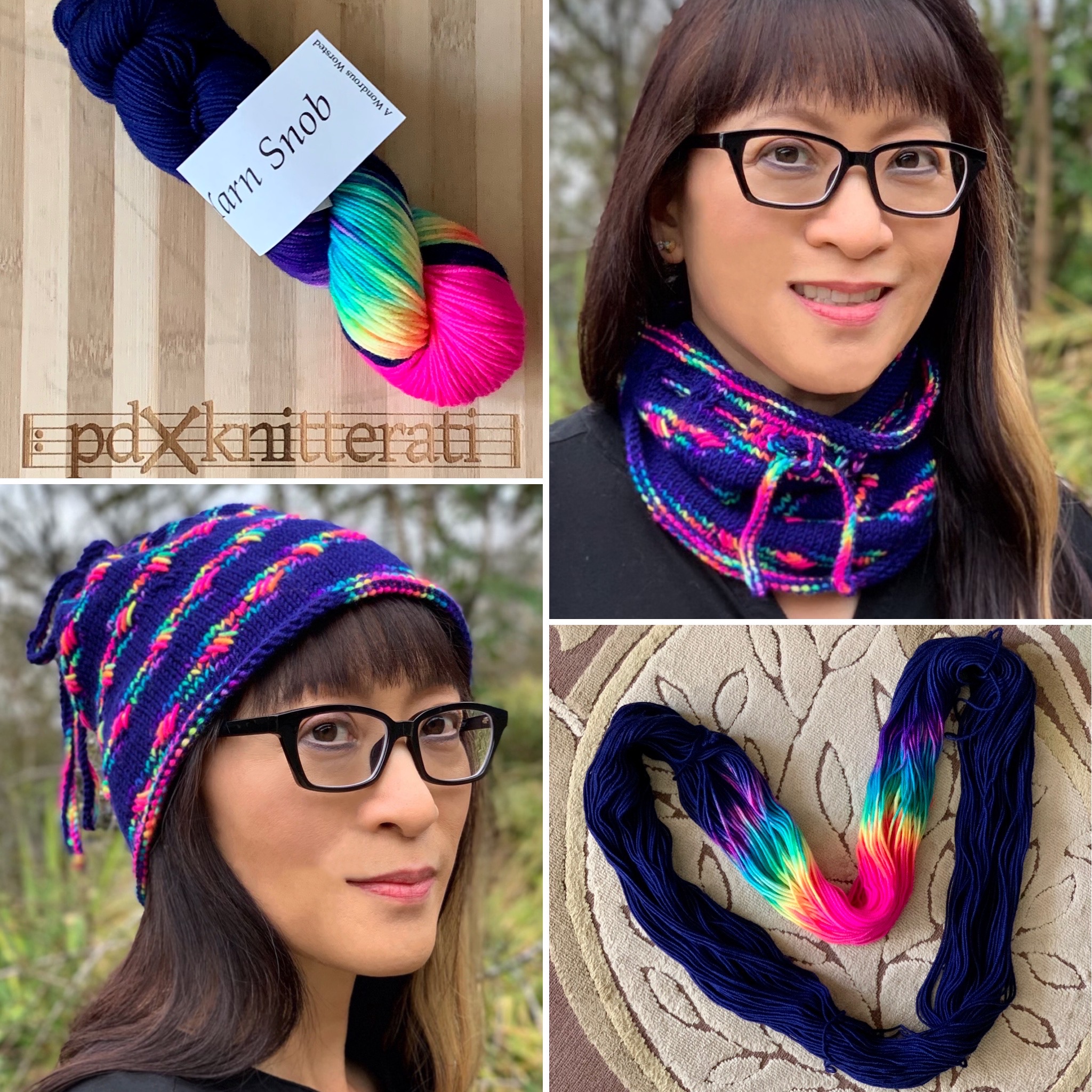
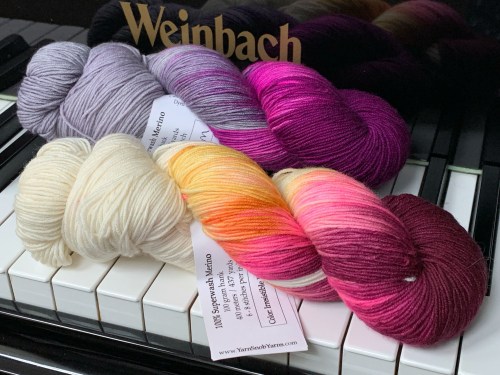
Yarn Snob fingering weight yarns

Remember these two beauties? I last posted about them, wondering which color I’d use to knit a Starfall sample. I have now knit three cowls with these two skeins. (You’ll see why/how in a bit.)
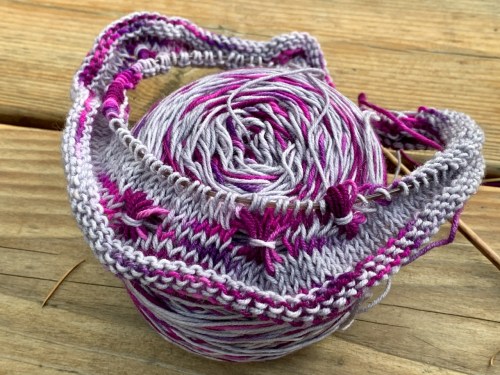
Wine Mom, first swatch

At first glance, I didn’t think there was enough going on with Wine Mom. And the color run was longer than in my previous Starfall cowl, so there was a lot of color on each side of the star. This swatch was knit on a US5.
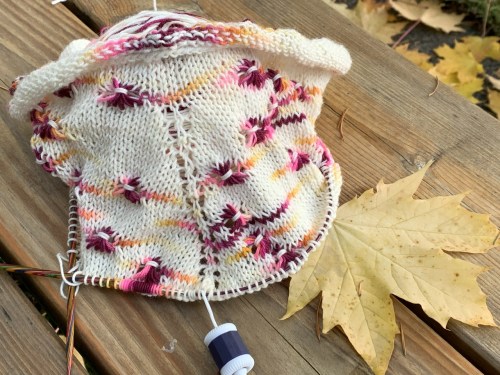
Keith’s Irresistible Orchid

This colorway called my name. I was knitting on a US4.
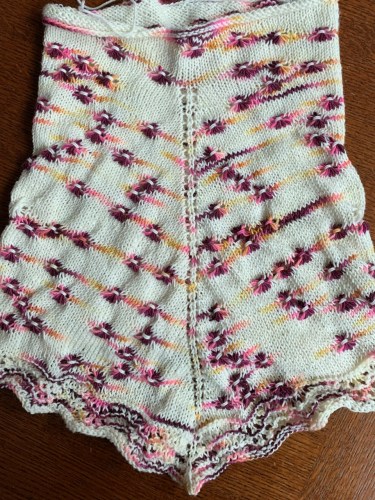
Starfall Cowl, unblocked

I knit this over the Thanksgiving holiday, but I wasn’t really happy with it. The stars are pretty small, and the fabric is a bit firmer than I like. There’s a lot of color at the sides of the stars, too. I wondered if it would be better on a US5, even though I thought that looked a little puny with this yarn. What if I made 6 stitch stars instead of 5 stitch stars? Would there be enough yarn to finish the cowl? I didn’t want to frog the whole thing and reknit it, if it could mean losing at yarn chicken.

Of course that meant that I should knit an entire cowl with Wine Mom, just to make sure the yardage would work out. Behold, 6 stitch stars on a US5 needle.
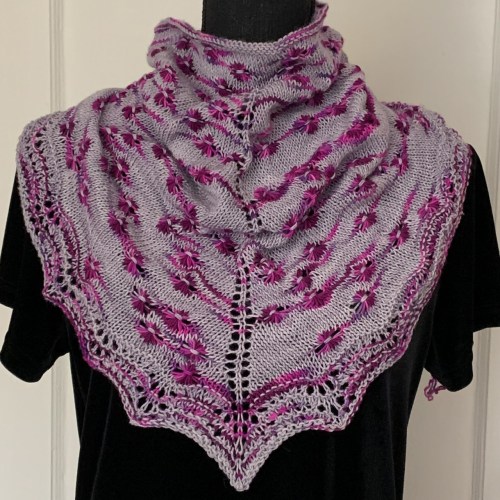
Starfall cowl in Wine Mom

I love it. Which meant I had to frog and re-knit the first cowl. And that’s how I’ve knit three cowls with these two skeins of yarn. I re-knit the Irresistible Orchid cowl in 3 days. Don’t try this at home; my arms are definitely feeling some tendinitis. Oops. But I did binge watch the current season of Virgin River on Netflix, so that was fun.
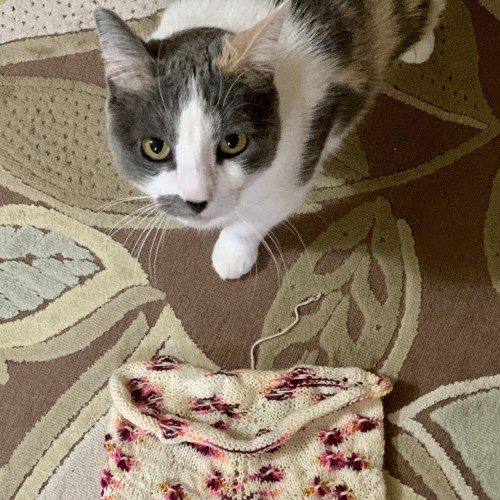
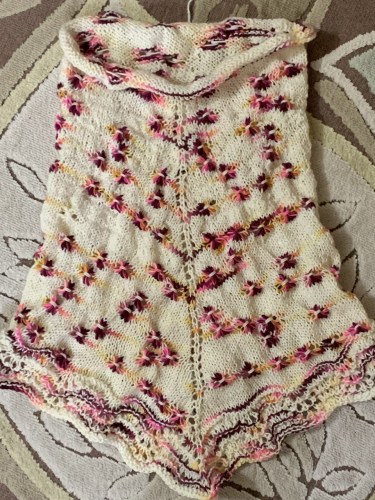
Bisquee is ready to help with blocking
Starfall encore

The stars are bigger and there’s less color leakage at the sides of the stars. And the fabric feels right, too. Winner! I also added one more 4 row repeat of the old shale lace at the bottom edge, because there was enough yarn left to do that. I would have added that to the end of the Wine Mom version too, if I had thought of it. It all depends on how much yarn you have left.

Blocked photos coming soon. And I’ll figure out if kits are happening with Keith, the dyer of these gorgeous yarns.

Oh! While I was knitting, I realized it would be easier for me (and you, the knitter), if I gave row numbers throughout the triangular increase section, instead of just telling you to repeats rows 2 and 3, 39 times. So I edited the pattern. If you purchased it through Ravelry, the updated pattern is available to you. I’ll get the Payhip version updated today, too.

Now I need to finish my qiviut cowl, and think about a sweater I want to knit for DH, and design something with some fun new yarn from Knitted Wit. Never a dull moment, right?
Book Review: In Search of the World’s Finest Wools

What’s your favorite luxury fiber? Cashmere? Qiviut? Taewit? What?

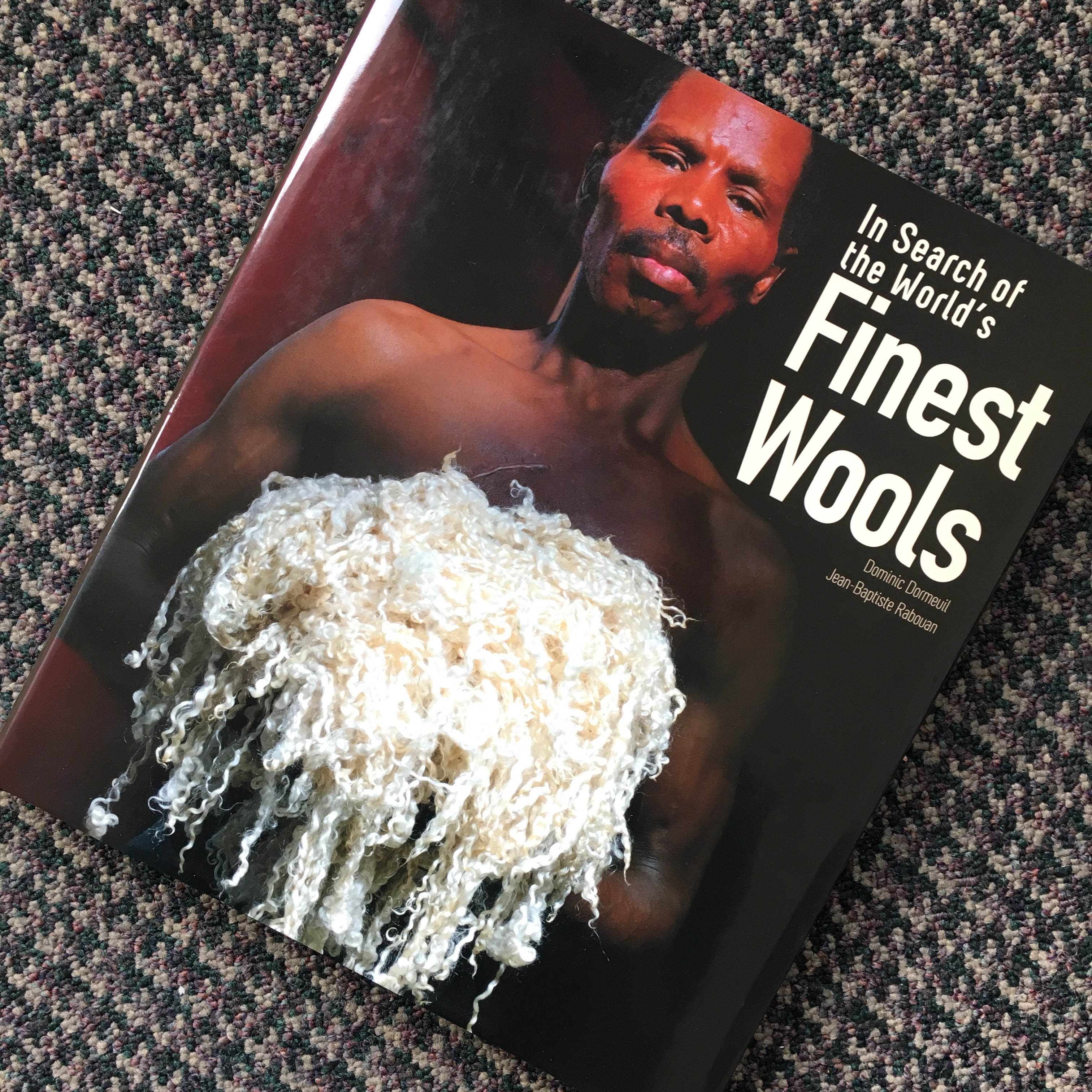
I received a review copy of this beautiful book, In Search of the World’s Finest Wools by Dominic Dormeuil, photography by Jean-Baptiste Rabouan. It’s a tribute to the growers and producers of the world’s finest fibers. Dormeuil is the Chairman of the House of Dormeuil, a fabric house that was founded in 1842.

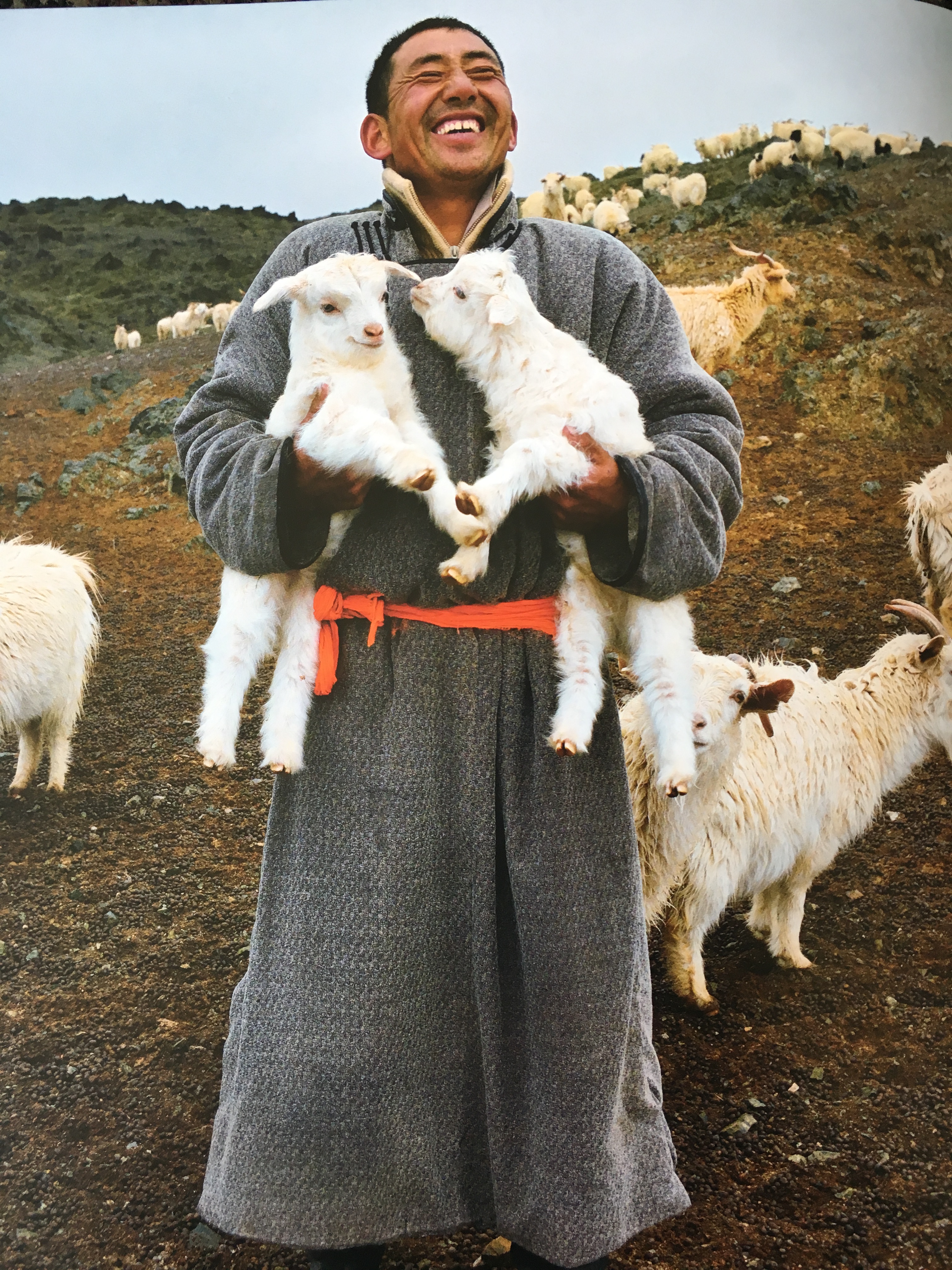
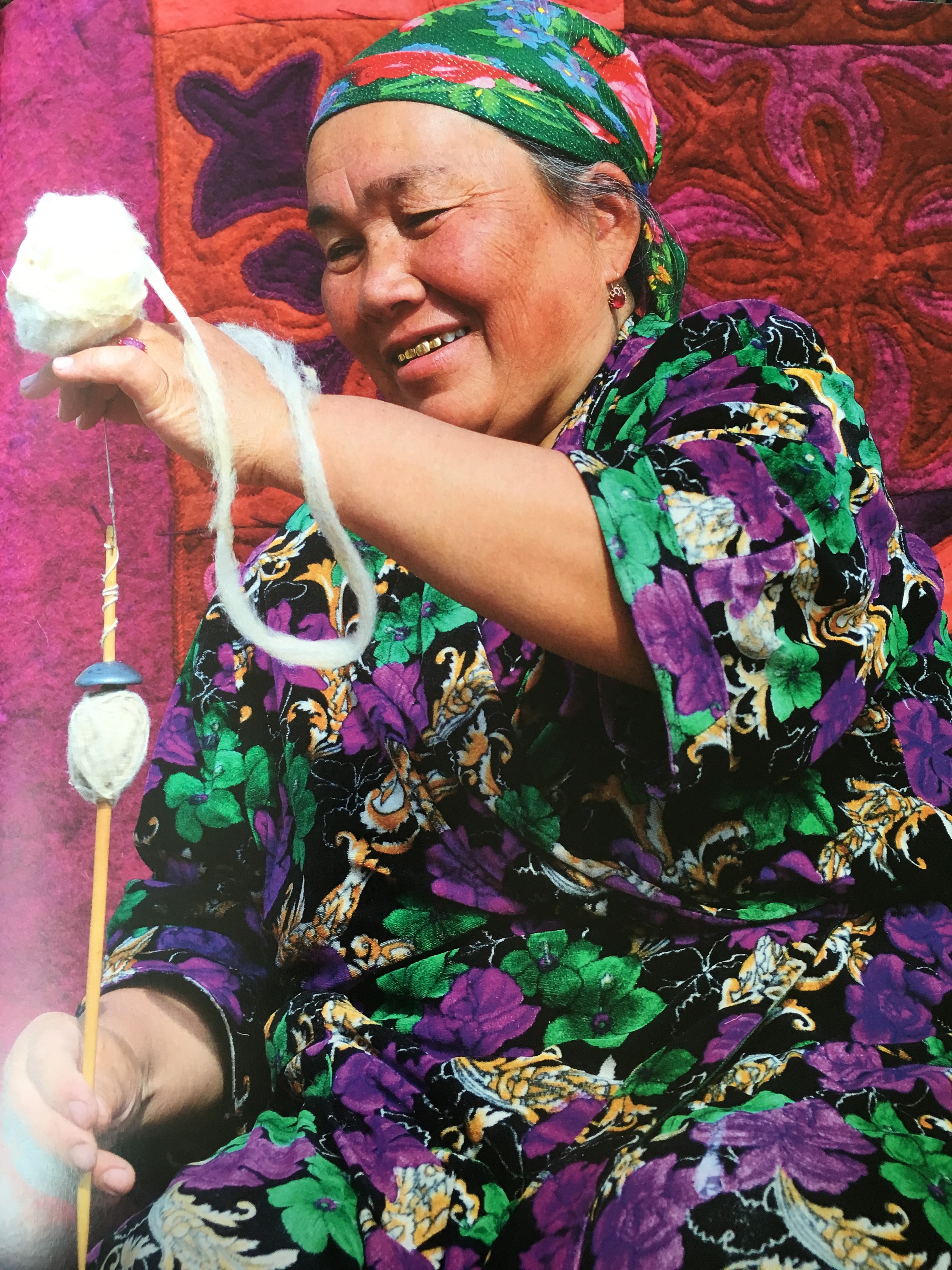
My first instinct was to page through the book, just to enjoy the stunningly beautiful pictures. We are treated to travel through Greenland, Mongolia, Kyrgyzstan, Ladakh, Scotland, Australia and New Zealand, South Africa, and Peru.

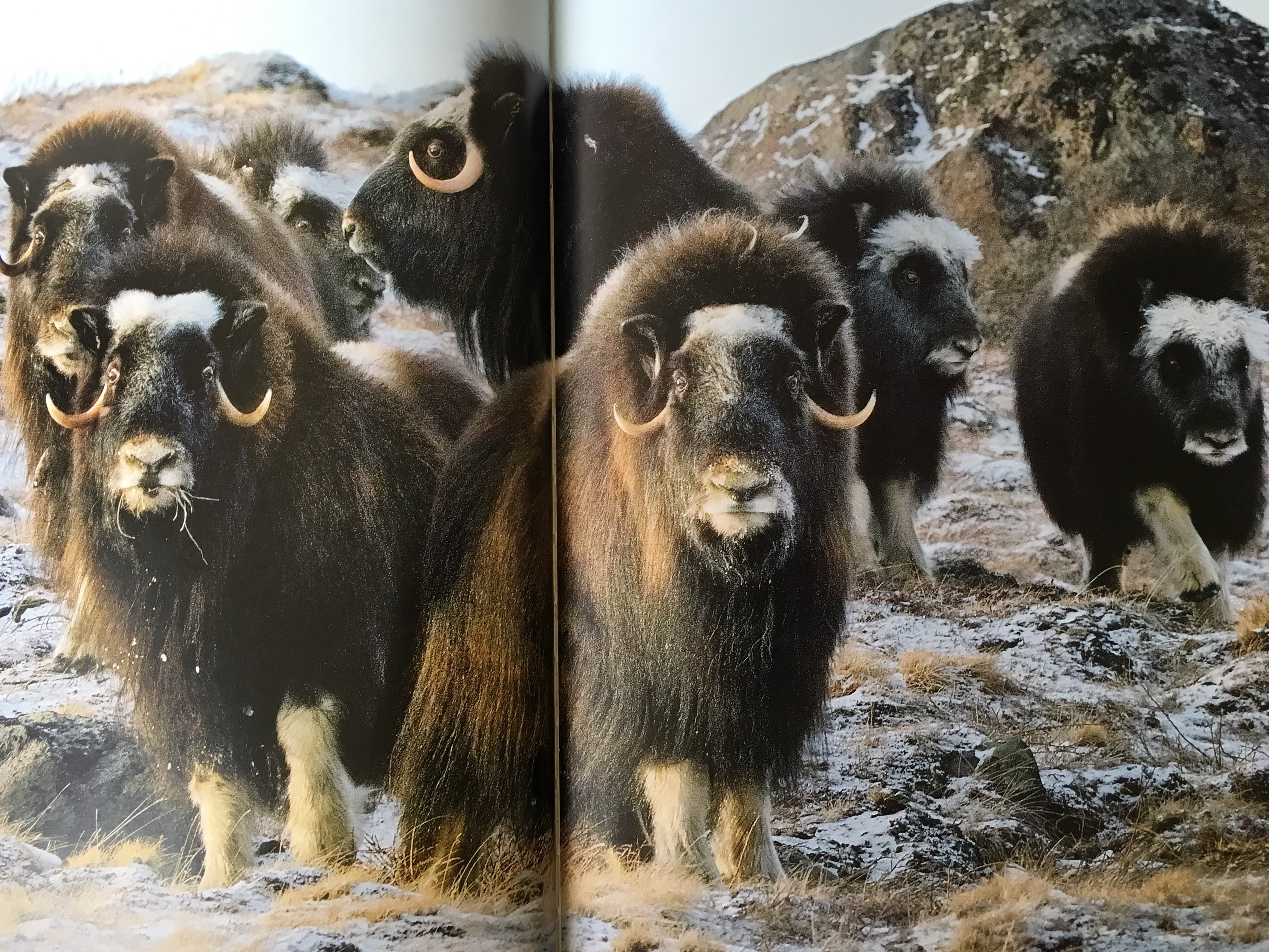
I knew Qiviut came from the arctic musk ox, but what does that really mean? I didn’t realize that the musk oxen in Alaska came there via a 1954 breeding and conservation program in Canada and Alaska. I’d heard the romantic tales of plucking the tufts of fiber from the shrubbery that the musk oxen rub against in an effort to shed their double fleece in the spring.

What I didn’t know is that there are wild musk ox in the Kangerlussaq tundra of Greenland, which was the focus of the qiviut chapter. There, the musk ox are hunted as game for food, and the the fiber brings additional revenue to the hunters. (The climate does not support agriculture.) Before the opening of a wool production workshop in 1997, the skins were discarded; now there are several workshops that process the skins for the wool. Food and luxury fiber from the same animals, excellent.

The book focuses on eight luxury fibers. Two come from wild sources (qiviut and vicuña), and six from domesticated animals: two from sheep (Shetland and Merino), and four(!) from goats (cashmere, pashmina, taewit, mohair). I’m especially in awe of the goats; the luxury of their fiber is a direct result of the inhospitable climate in which these small hardy animals live.

The existence of these luxury fibers is dependent on a way of life that is threatened by industrial progress. The book is a beautiful celebration of both the animals and the people who bring us their wool.

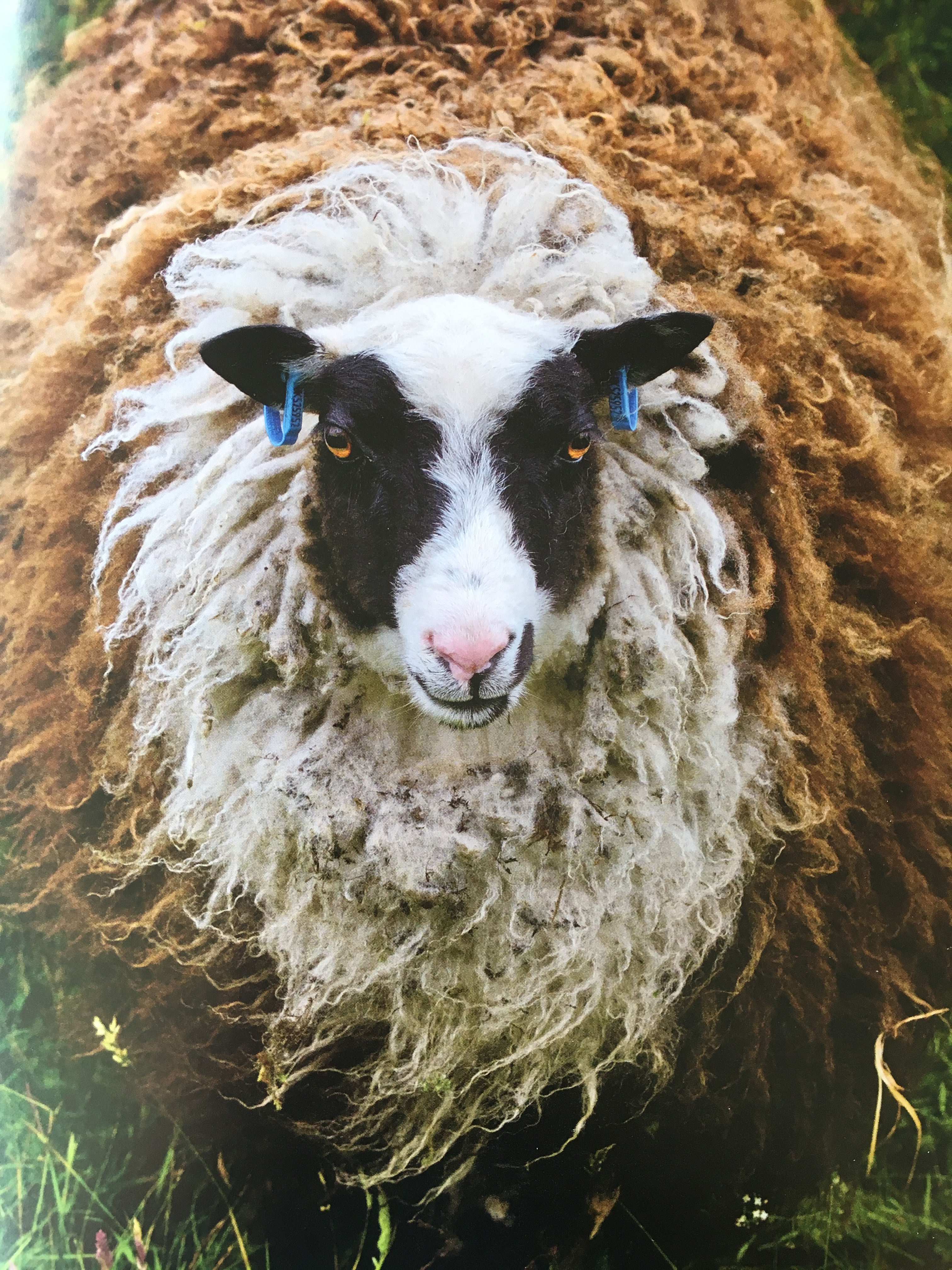
Shetland Sheep with moorit bronget markings
We’re more familiar with sheep’s wool, such as this Shetland sheep of Scotland,

and this half shorn merino sheep in Tasmania.

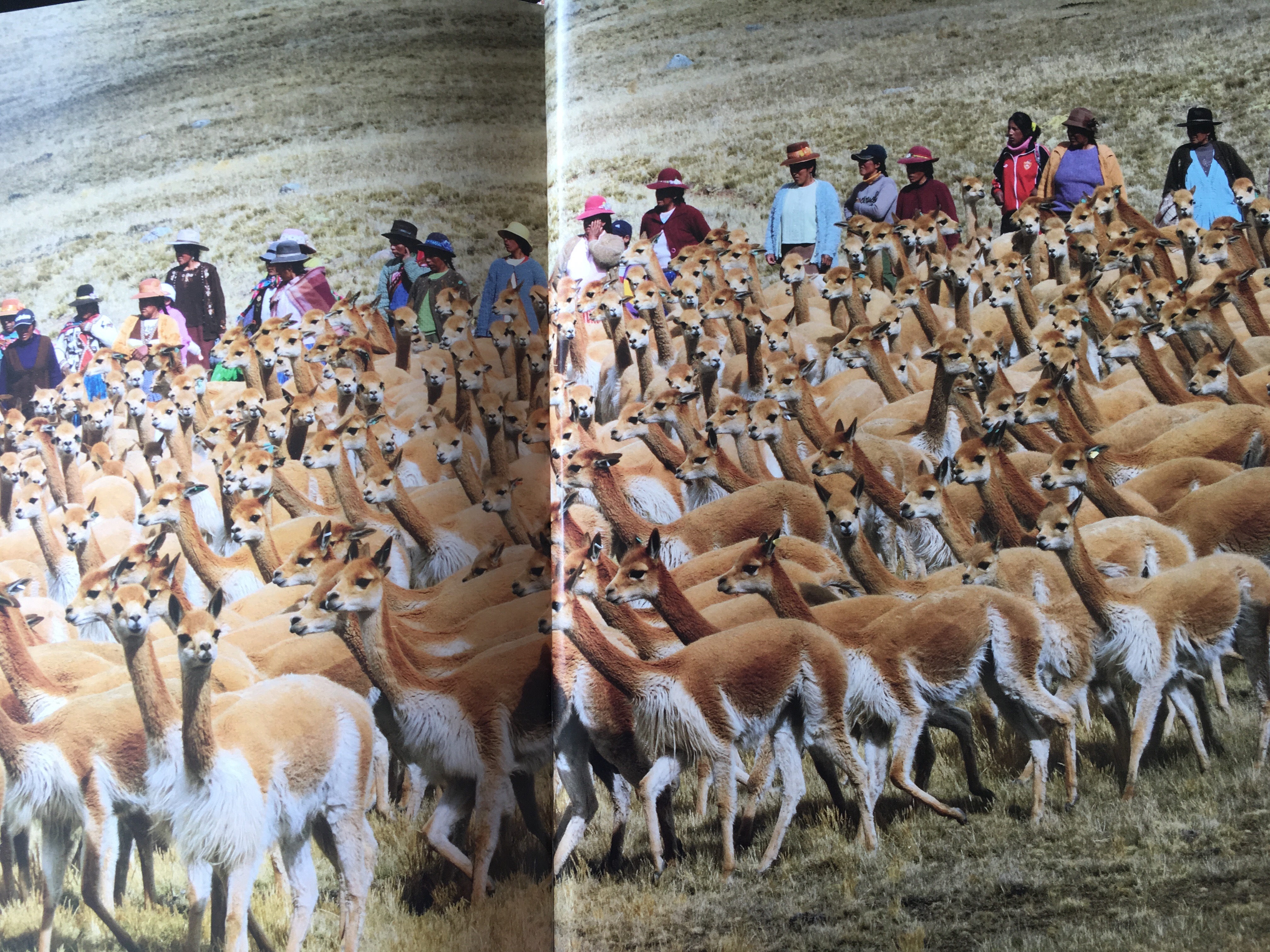
The book closes with a chapter on the vicuña of Peru. Vicuña were hunted almost to extinction in the 1960’s, and have made a tremendous comeback due to a protection program initiated by the Peruvian government, and newer techniques for shearing without killing. The wild vicuña featured in this chapter are protected, and gently corralled for shearing via a 300 person human chain. How nice is that?

From wild to nomadic to farms to wild again, this book is a beautiful celebration of the source of the luxury fibers of the world. I enjoyed the visual tour, and learning about the people and the animals. I highly recommend it!

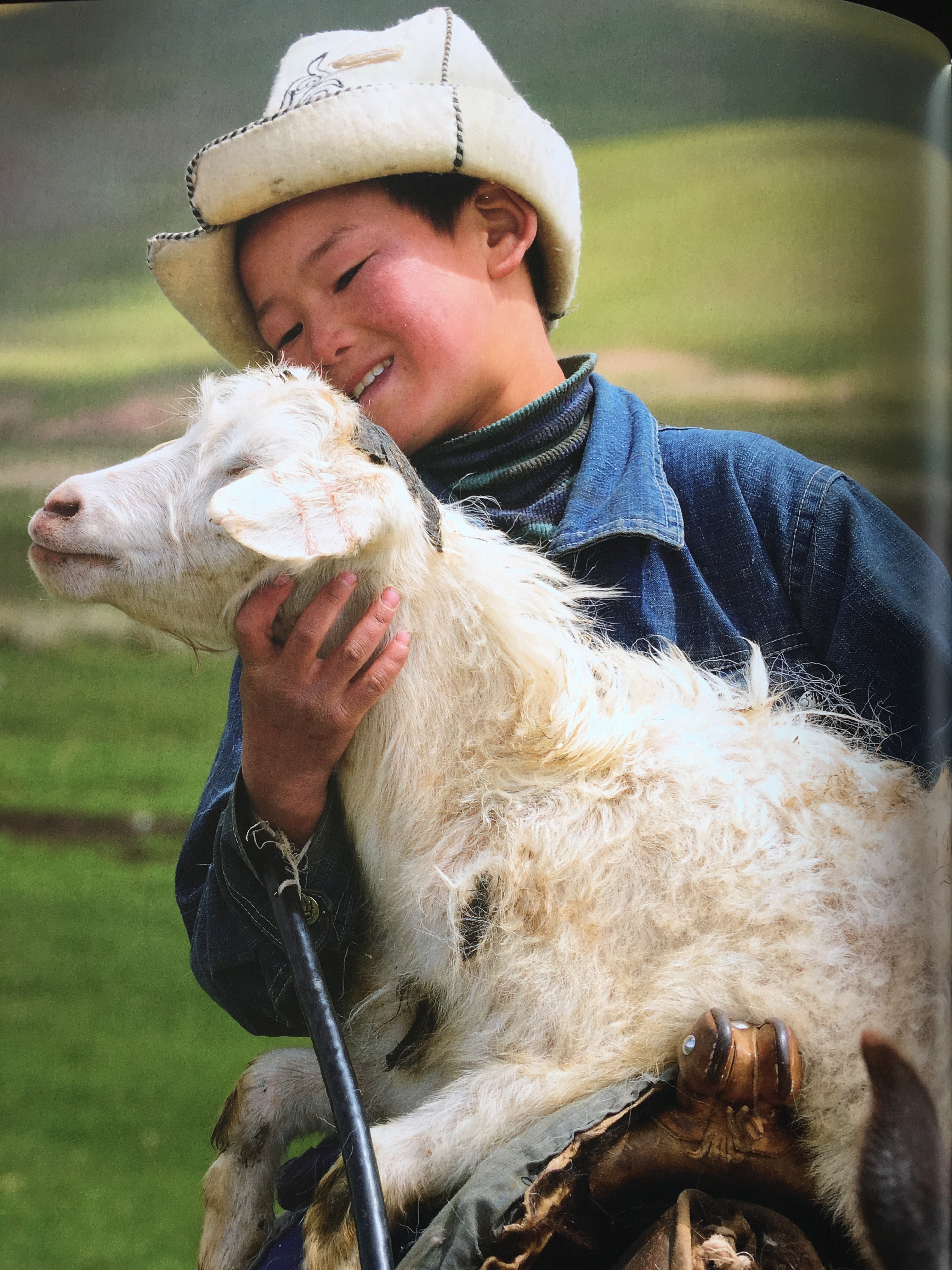
A teaser: Have you heard of Taewit goat wool from Kyrgyzstan? I hadn’t. It’s most likely a cross between the Kyrgyz goat and the Orenburg cashmere goat. I’ll let you imagine just how wonderful that must be.

I received this book in exchange for review. All opinions about it are my own. All pictures are my photographs of the book, so they’re not as nice as the book! Thank you to Firefly Books for the opportunity.